Brain health, Mauritius
Your brain is buildable.
Cognition science for Mauritius, minus the snake oil: what the prevention evidence really says, which habits build cognitive reserve, and a toolkit that makes the training feel like play.
45%
of dementia risk worldwide is linked to factors people can influence.
Lancet Commission on dementia prevention, 2024 report. A population estimate, not a personal prediction, and still the best news in brain science.
The Neuro Toolkit
Train it like you mean it
Memory science
How memory really works, why it changes with age, and evidence-backed ways to keep recall strong.
Sleep matters
Deep sleep is when your brain clears waste and files memories, so we show you how to protect it.
Food for thought
What the research says about fish, greens, berries and everyday Mauritian foods that feed your brain.
Move for your mind
Regular walking and exercise boost blood flow to the brain and cut dementia risk at any age.
What is Brain.mu?
Brain.mu is an educational resource about brain health and cognition, written in plain language for people in Mauritius who want to keep their minds sharp at every age. The brain changes throughout life, and while some slowing of recall is a normal part of ageing, serious decline is not inevitable: research consistently shows that daily habits influence how well memory, attention, and thinking hold up over the decades. This site explains how the brain works and what the evidence says about protecting it, from the deep sleep that consolidates memories and clears metabolic waste, to the exercise that improves blood flow, the foods that support brain function, and the social contact and lifelong learning that build cognitive reserve. It also covers the conditions people worry about most, including dementia and Alzheimer's disease, honestly and without alarmism, focusing on the risk factors that can actually be changed. Everything is grounded in current research and written for everyday life in Mauritius. The goal is simple: to help you understand your brain and give it the best possible chance of staying sharp for life.
Ask away
Frequently asked questions
Is memory loss a normal part of ageing?
Some change is normal: recalling names more slowly or needing more repetition to learn new information is common with age and does not signal disease. Memory loss that disrupts daily life, such as getting lost in familiar places or repeating the same questions within a conversation, is different and deserves medical evaluation. The distinction matters because many causes of memory trouble are treatable, especially when caught early.
Can dementia be prevented?
No approach guarantees prevention, but research has identified risk factors that can be changed, including physical inactivity, smoking, untreated high blood pressure, hearing loss, social isolation, and poor sleep. Addressing these factors from midlife onward is associated with a lower risk of cognitive decline. Prevention is best understood as stacking the odds in your favour over many years rather than as a guarantee.
What does sleep actually do for the brain?
During deep sleep the brain consolidates the day's memories and clears metabolic waste products that accumulate while you are awake. Chronically short or fragmented sleep is linked with worse attention, mood, and memory in the short term, and with poorer brain health over the long term. Protecting a regular, sufficient sleep routine is one of the most practical things anyone can do for cognition.
Does food really affect the brain?
Yes, though the overall pattern matters far more than any single food. Diets rich in vegetables, fruit, fish, legumes, wholegrains, and healthy fats are consistently associated with better long-term brain health, while diets heavy in ultra-processed food and added sugar are associated with worse outcomes. Many foods that fit the healthier pattern, such as fish, leafy greens, beans, and fresh fruit, are easy to find in Mauritius.
Is the information on Brain.mu medical advice?
No. Brain.mu publishes general education about brain health and cognition, not personalised medical advice, and it does not diagnose or treat any condition. If you are worried about memory, concentration, or any neurological symptom, in yourself or a family member, consult a qualified doctor. The content here is meant to help you understand the science and prepare questions for that conversation.
From the blog
View all →

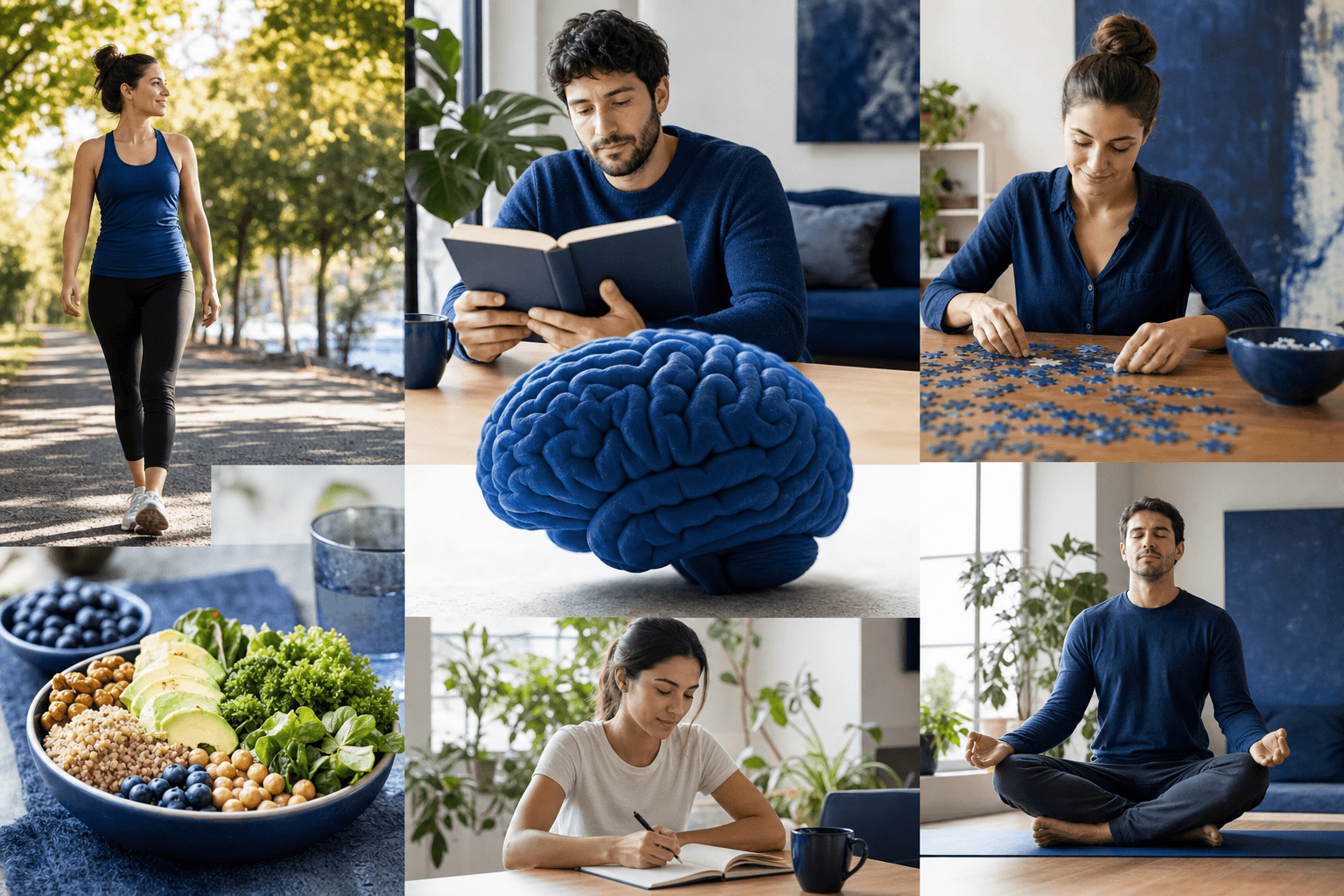
The habits that protect your heart protect your brain too.
Brain.mu is part of the Healthspan health ecosystem.
Discover Healthspan